Remember Who You Are: How Family Stories Shape Identity and Belonging
Published 7/18/25
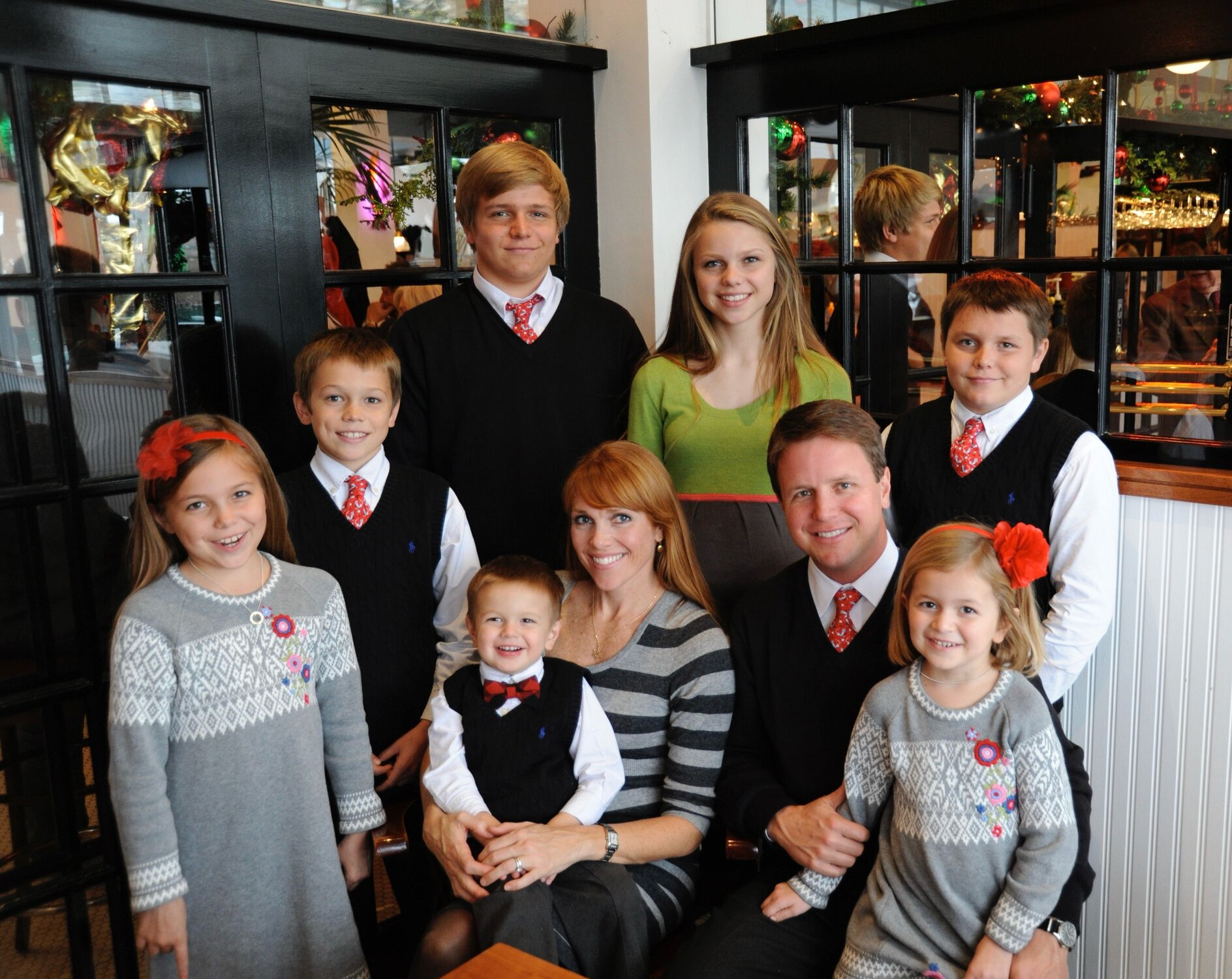
Remember Who You Are: How Family Stories Shape Identity and Belonging
The other morning, my youngest walked out the door and I heard myself saying the same four words I've said to my kids for years:
"Remember who you are."
Simple words. But loaded with meaning—for them, and honestly, for me too.
Because being human means we're always evolving. We're constantly growing, learning, and figuring out who we're becoming. And while everything around us shifts, our sense of identity is shaped by something deeper: the stories we tell and the memories we hold onto.
How do family stories shape identity?
When I say "remember who you are" to my kids, I'm not telling them to stay the same. I'm reminding them of their foundation—the values, the love, the connections that ground them no matter what changes.
I'm saying:
- You come from people who love you
- You're part of something bigger than yourself
- Your character matters more than your circumstances
- You belong, even when you feel lost
- You have a story worth honoring
This isn't about pressure or expectations. It's about anchor points. Reminders. Roots that keep you steady when life gets shaky.

Do family stories really impact children's development?
Yes—and research proves it.
Studies show that children who reflect on their family stories through printed photos develop:
- Stronger sense of identity
- Higher self-esteem
- Better emotional regulation
- Greater resilience during challenges
- Deeper sense of belonging
Family narratives aren't just sentimental—they're grounding. They give us something steady to stand on when life feels uncertain or overwhelming.
1. They help us understand where we come from
Why does family history matter for kids?
Every shared memory becomes a piece of your family's origin story.
When kids know the stories—how their parents met, what grandma was like as a kid, the time dad got lost on a road trip—they understand their place in a bigger narrative.
"This is where I come from. These are my people."
That knowledge creates a sense of continuity and belonging that nothing else can replicate.
2. They strengthen belonging
How do family traditions create belonging?
When kids grow up surrounded by stories and traditions, they feel anchored. They know:
- What our family values
- How we handle hard things
- What we celebrate
- Who we are when no one's watching
These patterns become identity markers: "In our family, we always..." or "Our family is the kind that..."
Belonging isn't just about being loved—it's about being known. Family stories create that knowing.
3. They remind us we're loved and seen
Do kids need to see themselves in family photos?
Absolutely.
Even the smallest memories become little proofs of connection.
When a parent says, "Remember when you..." they're saying:
- I was paying attention
- You matter to me
- Your life is worth remembering
- You're seen
That's powerful.
And when those memories are printed—visible in the home, not buried in a camera roll—kids see physical proof that they're part of the family story.

How do I create strong family traditions?
You don't need elaborate rituals or perfect execution. You just need consistency and intention.
Tell the stories out loud
Family stories to tell regularly:
- How you and your partner met
- What grandparents/great-grandparents were like
- Funny childhood stories about the kids
- Times your family overcame something hard
- Inside jokes and their origins
- "Remember when..." moments from last year, last month, yesterday
Repetition matters. The stories you tell again and again become the stories your kids internalize as part of who they are.
Create (and keep) simple traditions
Easy family traditions that build identity:
- Friday night pizza and a movie
- Sunday morning pancakes
- Birthday person picks dinner
- Annual photos in the same spot
- Bedtime questions or prayers
- Holiday rituals (even tiny ones)
- Special phrases only your family says
Traditions don't have to be fancy—they just have to be yours.
Why are printed photos important for family identity?
Because visibility matters.
When photos are printed and displayed—on the fridge, in albums, on the walls—they become part of the environment. They're not hidden away. They're present.
What this does for kids:
It shows them they belong here
Their face is literally on the walls. They're part of this place, this family, this story.
It helps them see how they've grown
Photos from different years show: you were small, now you're bigger. You've always been part of this family. You've always mattered.
It creates conversation starters
"Who's that?" "When was this?" "What were we doing?"
These questions become opportunities to tell the family stories again—reinforcing identity with every retelling.

How do I help my child through identity changes?
Here's the beautiful, hard truth: identity isn't fixed. Neither are families.
Kids grow. They change. They try on different versions of themselves. And that's not just okay—it's necessary.
Your family stories don't lock them into one version of themselves. They give them a foundation to return to as they evolve.
"Remember who you are" doesn't mean "don't change."
It means: "You have roots. You have people. You have a story that holds you—even as you grow into new versions of yourself."
Stay flexible as everyone grows
The stories will evolve. The traditions might shift. What mattered at age 5 might not matter at 15.
And that's okay.
The point isn't rigidity—it's continuity. The thread that runs through all the changes, reminding everyone: we're still us. We're still family.
Does documenting family life really matter?
Yes. More than you know.
Every photo you take, every story you tell, every tradition you keep—these aren't small things. And they’ve never been easier to print.
They're the architecture of identity.
You're giving your kids (and yourself) something to hold onto when life gets uncertain. You're building a narrative that says: this is who we are. This is where you come from. This is what matters to us.
That's not just parenting—it's legacy-building.
How do I document our family story?
You don't need to be a scrapbooker or a professional photographer. You just need to:
Capture the everyday things
Not just milestones—moments. The regular, everyday stuff that makes your family YOUR family.
Print the memories that feel like home
Seeing photos in your hands (not just your camera roll) makes them part of your family language.
Tell the stories out loud
Photos are powerful, but pairing them with stories? That's where the real magic happens."This is the day we..." "Remember when you..." "Your grandma used to..."
Those stories, told and retold, become the foundation your kids stand on.

So here's your reminder for today:
Keep building that foundation.
Keep giving yourself and your people the space to grow into who they're becoming.
The work you're doing—the simple, meaningful work of documenting life—is a gift.
Not just for your kids. For you. For your future self. For the version of your family that will exist ten, twenty, fifty years from now. You're building something that lasts.
