Why I Don’t Trust Myself to “Do It Later” Anymore
Published 1/20/26
Why I Don’t Trust Myself to “Do It Later” Anymore
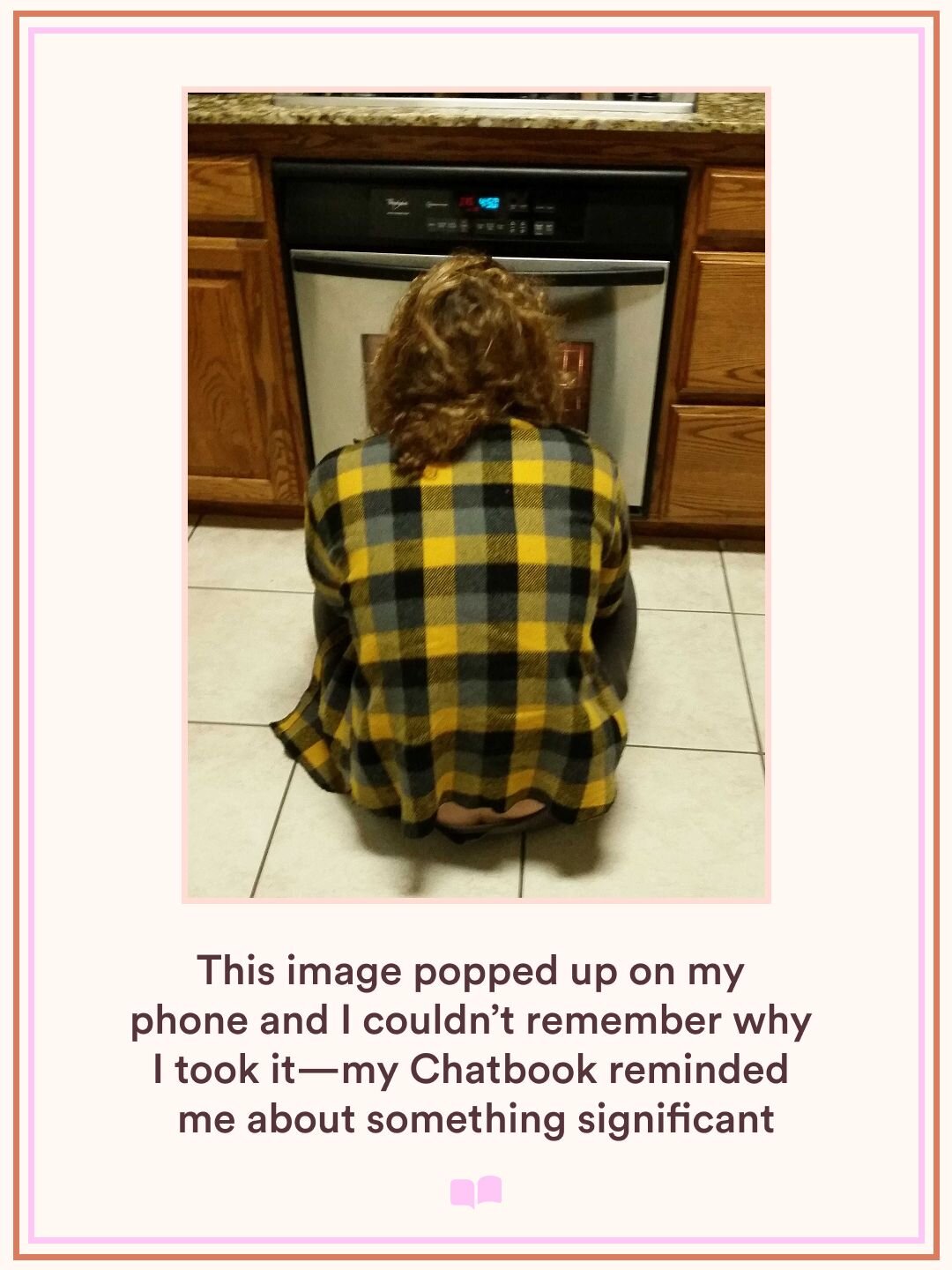
I realized I couldn’t trust myself to “do it later” the day I tried to remember why a photo mattered, and couldn’t.
It was one of those “2 years Ago Today” memories that popped up. My partner was sitting on the kitchen floor, staring into a stove, in a kitchen that wasn’t ours. I remember loving that photo when I took it. I remember thinking, " This one is special."
When this memory popped up, I had no idea what this photo was about.
Was it a sick day? Are we on vacation? Was he making something special? I stared at the photo, waiting for the feeling to come back. It didn’t.
That was the moment it clicked: I hadn’t lost the photo, but I had lost the memory.
I used to be a do-it-later person.
Later felt responsible. Later felt optimistic. Later felt like a version of me with more energy, more time, and a color-coded calendar. Later was calm. Later had her life together.
Spoiler alert: later never did.

With these expert tips, and free printable resources, you’ll be well on your way to helping your child grow into a confident, resilient adult who believes in their own potential.
Self-Esteem Worksheets for Kids
Create their very own self-esteem-boosting photo journal by compiling these worksheets in a photo book alongside pictures of them having fun and radiating confidence. Children feel a stronger sense of identity and confidence when viewing printed photos of themselves.
Have Your Kids Recall Three Good Things From Their Day
This is an easy way to introduce and practice gratitude with your little ones. Simply ask them to remember and list three things that made them happy or brightened their day. This form of gratitude journaling will help them think more positively and boost their confidence and mental health.
The prompts make it easy for kids to think back on the day they’ve had and categorize their thoughts. After completing this exercise for a few days, try them without the prompts and see what they come up with.
Download page one and page two of this worksheet.


Working on practicing gratefulness yourself? Here are 30 ‘Thank You’ Quotes for Express Gratitude.
Get Your Kids in the Habit of Writing Positive Things About Themselves
This is an easy, simple exercise for your kids to ponder and pull out the qualities they love about themselves. Similarly to the other free self-love printables for kids, this one only requires a few minutes each day.
By having your children take the time to sit down with no distractions, think about their good qualities and write them down, you’re helping them think positively on their own, boosting their overall mental wellness. These prompts will help children reflect on and recognize their positive traits.


Help Your Kids Identify Their Safe Spaces
What is a safe space? A safe space is a space where you can fully express yourself safe from any judgment or criticism. A safe space for your kid can be a person, place, or an activity they love doing. A safe space is full of acceptance and is there for you no matter if you’re feeling happy or sad, talkative or quiet–it’s a reliable space for you to feel comfortable coming exactly as you are.
Why are identifying safe spaces important for your child? They help to identify coping skills, strengths, and support. A safe space can look like “playing soccer” or “my playroom.”

Help Your Kids Identify Their Strengths with a Sentence Completion Exercise
Just like adults, kids can often sell themselves short on their personal strengths and can often focus on the negative. By having them remind themselves of things they’re good at, or positive personality qualities you’re helping them boost their mental wellness.
Try helping your little one complete these sentences by giving them praise and reminding them of things they’ve done well if they have trouble remembering for themselves. It’ll be a healing experience for both of you.

Have Fun with These Picture Prompts
Use this as a blank canvas, literally, to have your kids craft and color their interpretations of the prompt. It can be a fun project for you to enjoy too! You and your children can complete these multiple times by creating all-new prompts. You’ll be surprised at just how therapeutic sketching out your feelings can be.

Have Them Describe Themselves with an “About Me” Worksheet


Why Good Self-Esteem is Important
When children believe in their abilities and feel good about who they are, they’re more likely to:
- Try new things
- Handle challenges with resilience
- Bounce back from setbacks
- Have strong social skills
- Good academic performance
Kids with healthy self-esteem tend to be more optimistic, comfortable in their own skin, and capable of handling the ups and downs of growing up.
Unfortunately, good self-esteem doesn’t come naturally for most children (for new moms, either!). Factors like bullying and struggling with feeling different from their peers can contribute to a negative self-perception. And when children face pressure to succeed or conform, they may become too hard on themselves, believing they’re not "good enough."
This is why it’s important to provide them with support, encouragement, and positive reinforcement to help build their self-confidence and foster a healthy sense of self-worth.

Tips for Boosting Your Child’s Self-Esteem
Praise Efforts, Not Just Results.
Encourage your child by acknowledging their hard work and perseverance rather than focusing solely on the outcome. This teaches them to value effort.
Encourage Problem-Solving on Their Own
Help children build confidence by allowing them to tackle challenges on their own and guiding them to find solutions.
Set Realistic Expectations
Support your child by setting achievable goals and letting them experience success, which boosts their confidence.
Teach Resilience
Encourage your child to see mistakes as learning opportunities. Explain that setbacks are part of the process and not reflections of their worth. Share some mistakes you’ve made to help your child relate.
Promote Positive Self-Talk
Help your child reroute their negative thoughts with positive affirmations. Guide them in recognizing their strengths and accomplishments. You can do this with exercises or just by slipping it into day-to-day conversations.
Checkout these Quotes That Inspire Hope to guide them in the right direction.
Foster Independence
Allow your child to make age-appropriate decisions and take responsibility for their actions. Independence reinforces their belief in their abilities. Have your kids take on a few chores around the house and reward them with a dinner of their choice or a new toy.
Is your kid struggling to enjoy being on their own at school? Explore these Inspirational Quotes for Kids about School.

Show Unconditional Love
Make sure your child knows they are loved and valued, no matter what. This provides the emotional foundation they need to feel confident.
Model Confidence
Be a role model for your child by displaying confidence in your own actions. Children are little mirrors and often learn from the behaviors they observe.
Celebrate Uniqueness
Emphasize that everyone is different and special in their own way. Encourage your child to embrace their individuality instead of fearing it.
Encourage Participation in Activities
Get your child involved in activities or hobbies they enjoy. Success in areas of interest helps them feel capable and confident.
For fun activities around the house, here are Fun Family Tradition Ideas.
Let Photo Journals Be Your Secret Weapon to Boosting Your Child’s Self-Esteem
Mix and match various art pieces, photo prints, and even objects like plates or woven baskets to create a personalized gallery wall.
Viewing printed photos helps children feel more connected to their families, fosters a stronger sense of self, and enhances their imagination. These tangible memories spark storytelling and reminiscing about shared experiences.
By creating a photo book filled with your child's favorite images and including pages with simple self-esteem-boosting prompts, you’ll have crafted an engaging gratitude journal that they’ll love and learn from. For a more hands-on experience, consider making a gratitude scrapbook together, incorporating decorated photo prints along with affirmations and positive prompts.
Children are like sponges, absorbing everything around them—both the good and the bad. By ensuring they soak up uplifting messages about their worth, strengths, and uniqueness, you lay a crucial foundation for their confidence, setting them up for future success—and what could be better than that?
Related Products: Kids Monthly Mini Photo Books, Monthbooks, Gift a Photo Book Subscription, Family Photo Books, Baby Photo Books,
Other Blogs You May Like
52 Unique Journal Prompts To Spark Your Creativity
How to Capture Your Baby’s Firsts with Chatbooks
15 Tips for a Healthy, Effective Co-Parenting Relationship
70 Positive Affirmations for Kids That'll Boost Their Mental Wellbeing