The families who took a photo every single day
Published 9/28/26
“Usually when we try to cope with difficult situations or just day to day challenges, we rely on those shared memories to refer back to and offer perspective and comfort.”
When their daughter was born at 28 weeks and spent 47 days in the NICU, one family in the 2025 Chatbooks Family Memory Report described doing something that felt almost strange at the time: they took photos every single day. Not because it felt good. Because they needed evidence that things were changing, even when the days blurred together.
Months later, when their daughter came home, they looked back at those photos and saw something they couldn’t see while living it — the arc of her getting stronger. The tubes coming off. The weight going up. The first time she opened her eyes in sunlight.
They weren’t the only ones. In the 2025 study — a two-phase survey of more than 15,000 families — 76% of families who had experienced a NICU stay described finding strength in progress photos. And across the broader survey, 62% of all respondents said that shared family memories help them feel more confident in their ability to handle future challenges.
That’s not nostalgia. That’s psychological infrastructure.
76%
of NICU families found strength in progress photos
62%
feel more confident facing future challenges
64%
recall a specific time memories got them through
15,000+
families surveyed across two phases
The “we’ve done hard things” effect
When asked whether shared memories had ever helped them cope with difficulty, 64% of families said yes — they could recall a specific time when family memories helped them get through a challenge.
The mechanism is specific and worth naming: families weren’t just using photos to feel warm. They were using them to remember that they had been through hard things before and come out the other side.
What memories did during hard times
Helped them remember happy times rather than the hard ones
85%
Created family connection during hard times
74%
Brought laughter during grief
71%
Showed evidence of their own resilience and growth
68%
Medical families and the power of progress photos
The resilience finding was strongest among families navigating medical challenges. 88% of families dealing with medical crises reported using photos related to treatment as a source of hope and perspective.
This makes intuitive sense. When you’re in the middle of something hard — a NICU stay, a cancer treatment, a long recovery — it’s almost impossible to see progress from inside the experience. Photos create a vantage point. They let you stand outside the moment and see the trajectory.
“During my husband’s chemo, I kept a photo album on the nightstand. On the worst days, we’d flip through vacation pictures. It didn’t fix anything. But it reminded us there were days when he felt strong, and there would be again.”
Connection and identity as protective factors
The resilience finding doesn’t exist in isolation. Families who maintain a strong shared narrative — who know their story, who have it documented and accessible — report higher levels of connection, belonging, and identity.
96%
Connection
Feel a stronger connection to family members when reminiscing about shared experiences.
89%
Belonging
Said shared memories give them a sense of belonging within the family.
84%
Identity
Said shared memories contribute to their personal identity.
These findings echo what developmental psychologists have long documented: families with a strong intergenerational narrative show greater resilience in the face of adversity. Photos don’t just capture the narrative. For many families, they are the narrative.
The physical object as emotional anchor
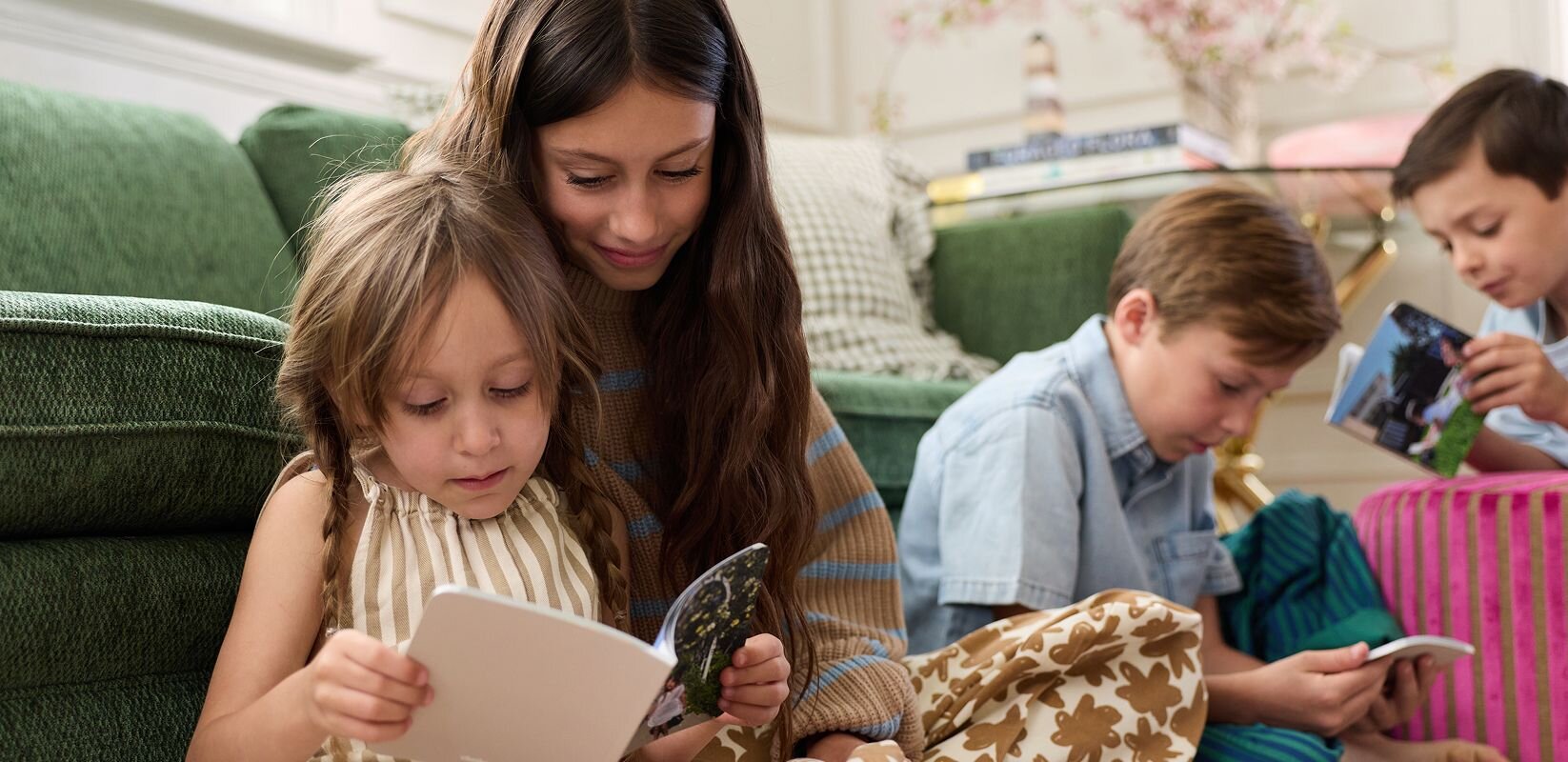
The 2025 research, like Chatbooks’ earlier work with university psychology researchers, points specifically to the role of physical prints. 72% of respondents said children carry photo books for comfort. 67% reported keeping printed photos at bedsides during illness.
There’s a difference between a photo that exists somewhere in a camera roll and a photo that exists as a physical object in your home — one that can be picked up, held, carried, or placed beside a hospital bed.
What this actually means for families
Here’s the practical implication: every time you print a photo of an ordinary Thursday — the messy kitchen, the kids on the couch, the dog asleep in a sunbeam — you’re not just making a keepsake. You’re adding a page to a record that your family may draw on someday in ways you can’t predict.
Sixty-two percent of families told us that record helped them face what came next. The photos weren’t precious because the moments were special. They were precious because the moments were real — and being able to see them again, hold them, flip through them, made the hard things a little more survivable.
Data cited from the Chatbooks 2025 Family Memory Report, a two-phase study comprising qualitative interviews and a quantitative survey of more than 15,000 families. Methodology available at https://chatbooks.com/blog/research/family-memory-research-report.
